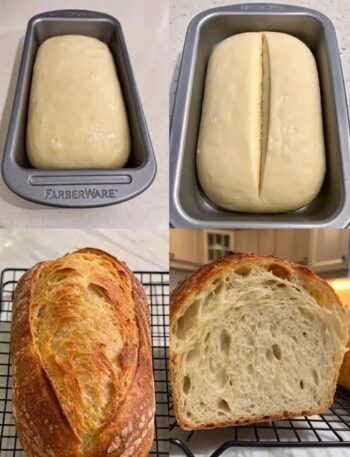
If you love warm, crispy, buttery flatbreads, this homemade flaky layered flatbread is a recipe you’ll want to keep on repeat. These golden flatbreads are soft and tender inside, lightly crisp on the outside, and filled with delicious buttery layers.
They look fancy, but they’re surprisingly simple to make with a few basic pantry ingredients. The dough is rolled thin, brushed with oil or melted butter, folded to create layers, and then cooked in a hot skillet until golden brown.
These flatbreads are perfect for breakfast, lunch, dinner, or even a quick snack. Serve them with eggs, curry, soup, grilled meat, vegetables, or your favorite dipping sauce.
Why You’ll Love This Recipe
There’s something special about freshly cooked flatbread. The outside gets beautifully golden while the inside stays soft and tender.
Here are a few reasons this recipe is worth trying:
- Uses simple everyday ingredients
- No oven needed
- Crispy and golden on the outside
- Soft and flaky inside
- Easy to customize
- Great for breakfast or dinner
- Freezer-friendly
- Pairs well with both savory and sweet foods
The secret to getting those beautiful layers is all in the way you handle the dough. A little oil or melted butter between the layers keeps them separate and gives the finished bread its flaky texture.
Ingredients
For about 8 flatbreads, you’ll need:
- 3 cups all-purpose flour
- 1 teaspoon salt
- 1 tablespoon sugar
- 1 cup warm water, plus more if needed
- 2 tablespoons vegetable oil
- 4 tablespoons melted butter or additional oil, for layering
- Extra flour, for rolling
- Oil or butter, for cooking
You can use all-purpose flour for a soft and tender texture. If you prefer, replace part of the all-purpose flour with whole wheat flour for a heartier flatbread.
How to Make Flaky Layered Flatbread
1. Make the Dough
Start by adding the flour, salt, and sugar to a large mixing bowl. Stir everything together so the dry ingredients are evenly distributed.
Slowly pour in the warm water while mixing with your hand or a wooden spoon.
Add the 2 tablespoons of vegetable oil and continue mixing until a rough dough starts to form.
The dough should be soft and slightly tacky but not extremely sticky. If it feels too dry, add a tablespoon of water at a time. If it feels too sticky, sprinkle in a little more flour.
2. Knead the Dough
Transfer the dough to a lightly floured surface.
Knead it for about 7–10 minutes, or until it becomes smooth and elastic.
You don’t need to knead aggressively. The goal is simply to develop enough gluten so the dough becomes stretchy and easy to roll.
Once the dough is smooth, place it in a lightly oiled bowl and cover it with plastic wrap or a clean kitchen towel.
Let it rest for 30–45 minutes.
This resting time is important. It allows the gluten to relax, which makes the dough much easier to stretch and roll.
3. Divide the Dough
After resting, place the dough on your work surface and divide it into 8 equal pieces.
Roll each piece into a smooth ball.
Keep the dough balls covered while you work so they don’t dry out.
If the dough becomes difficult to roll, let it rest for another 5–10 minutes. Relaxed dough is much easier to work with.
4. Roll the Dough Thin
Take one dough ball and lightly flour your work surface.
Roll it into a very thin circle or oval.
The thinner you can roll it without tearing it, the more delicate and flaky the finished flatbread will be.
Don’t worry if the shape isn’t perfectly round. Homemade flatbread doesn’t need to look perfect.
Once rolled, brush the surface generously with melted butter or oil.
This layer of fat is what helps create those delicious flaky layers.
5. Create the Layers
There are several ways to create layers.
One easy method is to fold the dough back and forth into a long strip, similar to folding a paper fan.
Another method is to roll the thin dough into a long rope after brushing it with butter, then coil the rope into a spiral.
Once you have a coil, tuck the end underneath and gently flatten it.
Repeat with the remaining dough balls.
Cover the shaped dough and let it rest for another 10–15 minutes.
This short rest makes it easier to flatten the dough without it springing back.
6. Flatten the Flatbreads
Take one rested dough coil and gently press it down with your palm.
Use a rolling pin to roll it into a round flatbread about 1/4 inch thick.
Be gentle during this step. You want to flatten the layers without completely destroying them.
Repeat with the remaining dough.
If you want extra flaky flatbreads, brush the surface with a tiny bit more butter before cooking.
7. Cook in a Skillet
Heat a heavy skillet or nonstick pan over medium heat.
Add a small amount of oil or butter.
Once the pan is hot, carefully place one flatbread into the skillet.
Cook for about 2–3 minutes, or until the bottom develops golden-brown spots.
Flip it over and cook the other side for another 2–3 minutes.
If the bread is browning too quickly while the inside is still doughy, reduce the heat slightly.
You want the outside to become golden and crisp while the inside cooks through.
Continue cooking the remaining flatbreads, adding a small amount of oil or butter to the pan as needed.
8. Make Them Extra Flaky
Once a flatbread comes off the skillet, place it on a plate and gently press the edges toward the center with your hands.
You can also lightly clap or squeeze the flatbread between your hands while it is still warm. This helps separate the layers and creates a lighter, flakier texture.
Be careful because the bread will be hot.
Tips for Perfect Layered Flatbread
Use Warm Water
Warm water helps create a soft, flexible dough. Avoid using very hot water because it can affect the texture.
Don’t Skip the Resting Time
Resting the dough is one of the most important parts of this recipe. If you try to roll it immediately after kneading, it may keep shrinking back.
Give the gluten time to relax.
Roll the Dough Thin
Thin dough creates more delicate layers. If the dough is too thick, the finished flatbread may be heavy instead of flaky.
Don’t Use Too Much Flour
A little flour is helpful when rolling, but too much can make the flatbread dry.
Use just enough to prevent sticking.
Keep the Heat Moderate
A pan that’s too hot can burn the outside before the inside is fully cooked.
Medium heat usually works best.
Flavor Variations
This basic flatbread recipe is easy to customize.
Garlic Butter Flatbread
Mix minced garlic into the melted butter before brushing it over the dough. Add a little dried parsley for extra flavor.
Herb Flatbread
Add chopped parsley, cilantro, rosemary, or green onions between the layers.
Spicy Flatbread
Add a pinch of chili flakes or a little chili powder to the butter mixture.
Cheesy Flatbread
Sprinkle a small amount of shredded cheese over the dough before folding it. Cheddar, mozzarella, Monterey Jack, or Pepper Jack are all delicious options.
Sweet Flatbread
For a sweet version, skip the garlic and herbs and brush the cooked flatbread with butter and a little honey.
What to Serve With Flatbread
These crispy layered flatbreads are incredibly versatile.
For breakfast, serve them with scrambled eggs, fried eggs, cheese, or yogurt.
For lunch or dinner, pair them with:
- Chicken curry
- Beef curry
- Lentil soup
- Vegetable soup
- Chickpea curry
- Grilled chicken
- Roasted vegetables
- Hummus
- Tzatziki
- Garlic yogurt sauce
They’re also delicious simply served warm with butter.
How to Store Leftovers
Let the cooked flatbreads cool completely before storing them.
Place them in an airtight container or zip-top bag and refrigerate for up to 3–4 days.
To reheat, place one in a dry skillet over medium-low heat for a couple of minutes on each side.
You can also reheat them in an air fryer until warm and slightly crisp.
For longer storage, freeze the cooked flatbreads with parchment paper between each one. Place them in a freezer-safe bag and freeze for up to 2–3 months.
Reheat directly from frozen in a skillet for best results.
Frequently Asked Questions
Can I make the dough ahead of time?
Yes. You can prepare the dough, cover it tightly, and refrigerate it overnight. Let it sit at room temperature for a little while before rolling.
Why aren’t my flatbreads flaky?
The most common reasons are not using enough butter or oil between the layers, not resting the dough, or rolling the dough too thick.
Can I use olive oil instead of butter?
Absolutely. Olive oil works well and gives the flatbread a slightly different flavor. Butter creates a richer taste, while oil can make the layers especially crisp.
Can I use whole wheat flour?
Yes, but using 100% whole wheat flour will give you a denser and more rustic flatbread. For a softer result, replace only part of the all-purpose flour with whole wheat flour.
Can I freeze the dough?
Yes. Shape the dough into balls, lightly oil them, wrap them well, and freeze. Thaw them in the refrigerator before rolling and cooking.
Recipe Card
Prep Time: 20 minutes
Resting Time: 45–60 minutes
Cook Time: 20–25 minutes
Total Time: About 1 hour 30 minutes
Servings: 8 flatbreads
Ingredients
- 3 cups all-purpose flour
- 1 teaspoon salt
- 1 tablespoon sugar
- 1 cup warm water, plus more as needed
- 2 tablespoons vegetable oil
- 4 tablespoons melted butter or oil
- Extra flour for rolling
- Oil or butter for cooking
Instructions
- Mix flour, salt, and sugar in a large bowl.
- Add warm water gradually and mix.
- Add vegetable oil and knead for 7–10 minutes until smooth.
- Cover and let the dough rest for 30–45 minutes.
- Divide into 8 equal balls.
- Roll each ball very thin.
- Brush generously with melted butter or oil.
- Fold or coil the dough to create layers.
- Rest the shaped dough for 10–15 minutes.
- Flatten each piece gently with a rolling pin.
- Cook in a lightly oiled skillet over medium heat for 2–3 minutes per side.
- Serve hot and enjoy the crispy, flaky layers.
Final Thoughts
Homemade flaky layered flatbread is one of those recipes that looks impressive but uses very simple ingredients. Once you get comfortable with rolling, layering, and cooking the dough, you can make a fresh batch whenever you want.
The finished flatbreads are golden, buttery, slightly crisp, and wonderfully soft inside. Serve them with eggs for breakfast, soup for lunch, or your favorite curry for dinner.
Make a big batch and freeze the extras so you always have homemade flatbread ready whenever a craving hits.